By Kay Cameron and Darryll Low
In 2023, UPP Foundation began funding the Exeter Tutoring Model, University of Exeter’s pioneering programme that seeks to tackle socio-economic inequalities in GCSE results, and – by association -support efforts to widen access to university. The model trains undergraduate students to tutor small groups of Year 8 pupils in foundational skills. As well as improving pupil attainment, the model also enhances students’ skills and experience, supports universities’ civic agendas, and potentially provides a pipeline of future teachers. Following the initial two-years of funding, UPP Foundation has reinvested in the programme for a further three years via our Growth Fund to support the team’s ambitions in helping other higher education institutions to adopt and embed the model.
In the second instalment of our three‑part series, we take you inside two Plymouth schools to see the Exeter Tutoring Model in action. This blog captures on‑the‑ground observations: how pupils engage with their tutors, how schools integrate the model into daily timetables, and how the atmosphere of focused, joyful learning grows when university students and school communities work side by side. It’s a chance to understand not just the structure of the programme, but the lived experience – the small breakthroughs, the shifts in confidence, and the genuine relationships that underpin meaningful educational change. You can read the first blog in this series here.
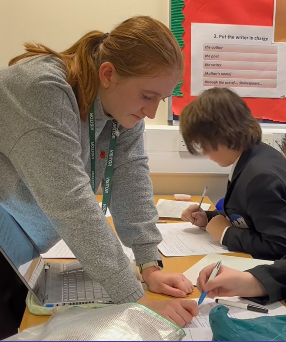
Last month, we were fortunate enough to visit two Plymouth secondary schools that are engaging in the programme with delivery partner Next Steps South West, supported by the University of Exeter team. At each of the two schools – Eggbuckland Community College and Tor Bridge High School – we sat in on tutoring sessions and had the opportunity to chat to students as well as some pupils. For me, after nearly three years of hearing and reading about the tutoring model, witnessing it in action was impactful in bringing it to life and fully realising its impact and potential.
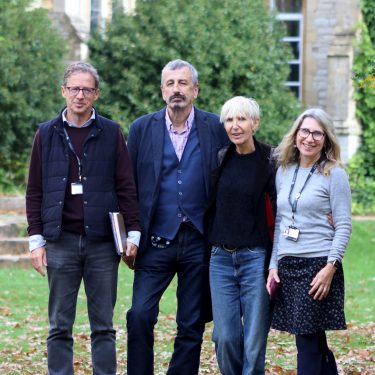
The students (Bea, Destiny, Callum, Abigail) – pictured here with Tee-jay Downton of Next Steps South West – were thoughtful and reflective in discussing their involvement with the programme. While some were motivated to test their interest in teaching as a future career, they all felt that their involvement would equip them by strengthening their skills and experience regardless of their eventual career pathways. Encouragingly – beyond the potential impact on their own futures – they were all highly invested in supporting the progression and engagement of pupils and grasping the opportunity to contribute to the community beyond their university campus.
Some recognised from their own experience and that of friends and family, that it’s all too easy for pupils to fall behind in classroom environments that – despite best endeavours – struggle to deliver individualised support and encouragement. The students praised the strength of the training they receive to prepare and equip them to deliver their roles with confidence and certainty, as well as the readily available support they can tap into along the way. The fact that most of the students we met were into their second of third years of engagement is testament to the strength of the programme.
Pupils engaged in the initiative mentioned that they enjoyed the learning environment and that having dedicated time away from a busy classroom to learn English in smaller group with a friendly tutor was brilliant. One pupil highlighted that she benefitted from having more time to ask questions and understand difficult learning tasks. Encouragingly, there is evidence that pupils had higher levels of attendance when engaged with the programme.
Evaluations are evidencing the positive impact of the approach on pupil’s writing, literacy levels, and interest in university. The team’s dynamic and reflective approach promises to continue to yield significant results.
Look out for our next blog sharing student’s perspectives on the programme.
If you are interested in setting up your own university-led tutoring programme, please contact Beth: b.r.brooks2@exeter.ac.uk