By Claire Lea, Sustainability Manager, University of Lincoln
This blog from the University of Lincoln is the second in a series of two. The first blog looked at the university’s UPP Foundation funded project creating a student-led biodiversity app. This week’s blog tells the story of how the university has enhanced its biodiversity through creating wildflower areas, at the same time creating opportunities to deploy the app.
In 2022, the University of Lincoln was awarded UPP funding to create a student-built web application that empowers users to explore and identify the plants around them, using their smartphone camera. iBiodiversity was created by students and launched in the summer of 2025. It’s more than just a plant identification tool, the app offers a comprehensive, all-in-one platform for nature discovery by combining species identification with geospatial data, biodiversity mapping and environmental insights. The web app demonstrates how digital innovation, and AI can meaningfully support environmental education and action in Lincolnshire and beyond.
To engage the local community in the app and nature, we have created three new wildflower areas at our Brayford Campus in Lincoln. The purpose of these areas is to enhance biodiversity in the city, but also to provide opportunities for members of staff, students and the local community to use the new wildflower areas to see different wildflower species and to be able to identify them using iBiodiversity.
Work started on the wildflower areas in early March 2026. The areas identified for the wildflowers have quite poor soil that is shallow – but this can be beneficial and suitable for some species of wildflower. The area was previously grass, and during the summer months can be very dry, so whatever we planted needed to be drought tolerant. We created three new wildflower plots, preparing the ground slightly differently in each area, to see which area has the best germination rates. We selected native wildflower seeds which include Yarrow, Self Heal, Ox-eye Daisy, Lady’s Bedstraw, White Campion and Yellow Rattle.
We are planning to hold events for local cub groups during May. These sessions will introduce the cubs to biodiversity and why it is important. We hope to inspire the cubs, and show them how they can become citizen scientists, using the iBiodiversity app, exploring nature on their doorstep. As part of the session, we will provide the cubs with the opportunity for some planting too – each child will have the opportunity to plant a sunflower seed in a pot that they can take home, nurture and care for.
Once the wildflower areas are established, we plan to host more nature-based events there. Their location is central on campus, with high footfall. We have installed signage to explain to passersby the changes that are happening, with a QR code for them to find out more about the project and how to share their sightings using iBiodiversity. We want to encourage people to explore these new wildflower areas and to spend time in nature. iBiodiversity will enable people to explore their local green spaces and improve their plant identification knowledge. The new wildflower areas that have been created will also provide cover for local birds and waterfowl, in addition to providing food for pollinators.
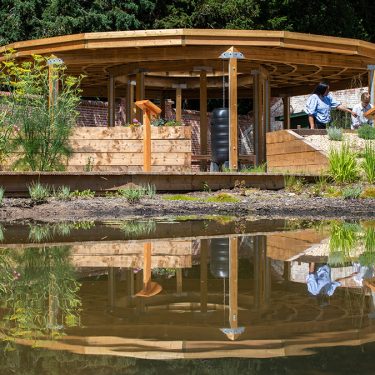
Did you know … UPP, UPP Foundation’s corporate parent, has long been committed to environmental sustainability as demonstrated in our recently-published Sustainability Report. Highlights from this year’s report include the news that UPP during the period 2024/25, UPP achieved a 2.8% biodiversity net gain, and 50% of all waste across its portfolio is now recycled. This year’s Earth Day was an opportunity to celebrate the significant success of UPP’s Recycling Incentive Fund which has resulted in recycling rates rising from 24% to nearly 50%, with plans to roll the initiative out across the portfolio. Back at the Foundation, this year we are supporting the University of Reading’s Outdoor Learning Garden that will provide a space for university students, school children and community groups to explore educational themes including biodiversity and climate change. The garden is due to open this summer.