By Denise Rawls, Executive Director, NNECL
Initially funded by UPP Foundation, five years on from the development of the National Network for the Education of Care Leavers’ (NNECL) Quality Mark, the charity’s Executive Director – Denise Rawls – reflects on the initiatives that can transform higher education for care-experienced students.
It has long been recognised by academics, policymakers, politicians, and care-experienced people themselves that the low participation of care-experienced and estranged young people in Higher Education represents a significant societal failure. A 2025 Rees Centre report found that only 14% of those ever in care entered higher education by age 22, compared with 48% of the general population.
When care-experienced students do enter university, they often face challenges far beyond those experienced by their peers. These can include limited financial support, difficulty navigating complex systems, and insecure accommodation during and outside term time. While experiences vary, these structural barriers can have a lasting impact on access, retention, and outcomes.
Building a system of support
To address these inequalities, the National Network for the Education of Care Leavers (NNECL) the only charity in the UK solely dedicated to transforming care leavers’ education outcomes, works with universities, colleges, fostering agencies, local authorities, virtual schools, and charities. Together, these partners help build environments where care-experienced and estranged students can succeed, not only in education, but in life beyond it.
At the centre of this work is the NNECL Quality Mark: an evidence-based, impact-driven change management framework that helps institutions review, improve, and embed support for care-experienced students. Originally developed as a feasibility study funded by the UPP Foundation, it is now in its fifth year and has been awarded to more than 50 universities and colleges.
In December 2025, Ministers MacAlister and Smith wrote to all Vice-Chancellors in England encouraging them to strengthen support for care leavers, highlighting the Quality Mark and engagement with NNECL as key pathways to improving access and attainment.
What works in practice: being proactive, not reactive
One of the key lessons from NNECL members is that effective support depends on shifting from reactive interventions to proactive, relationship-based approaches.
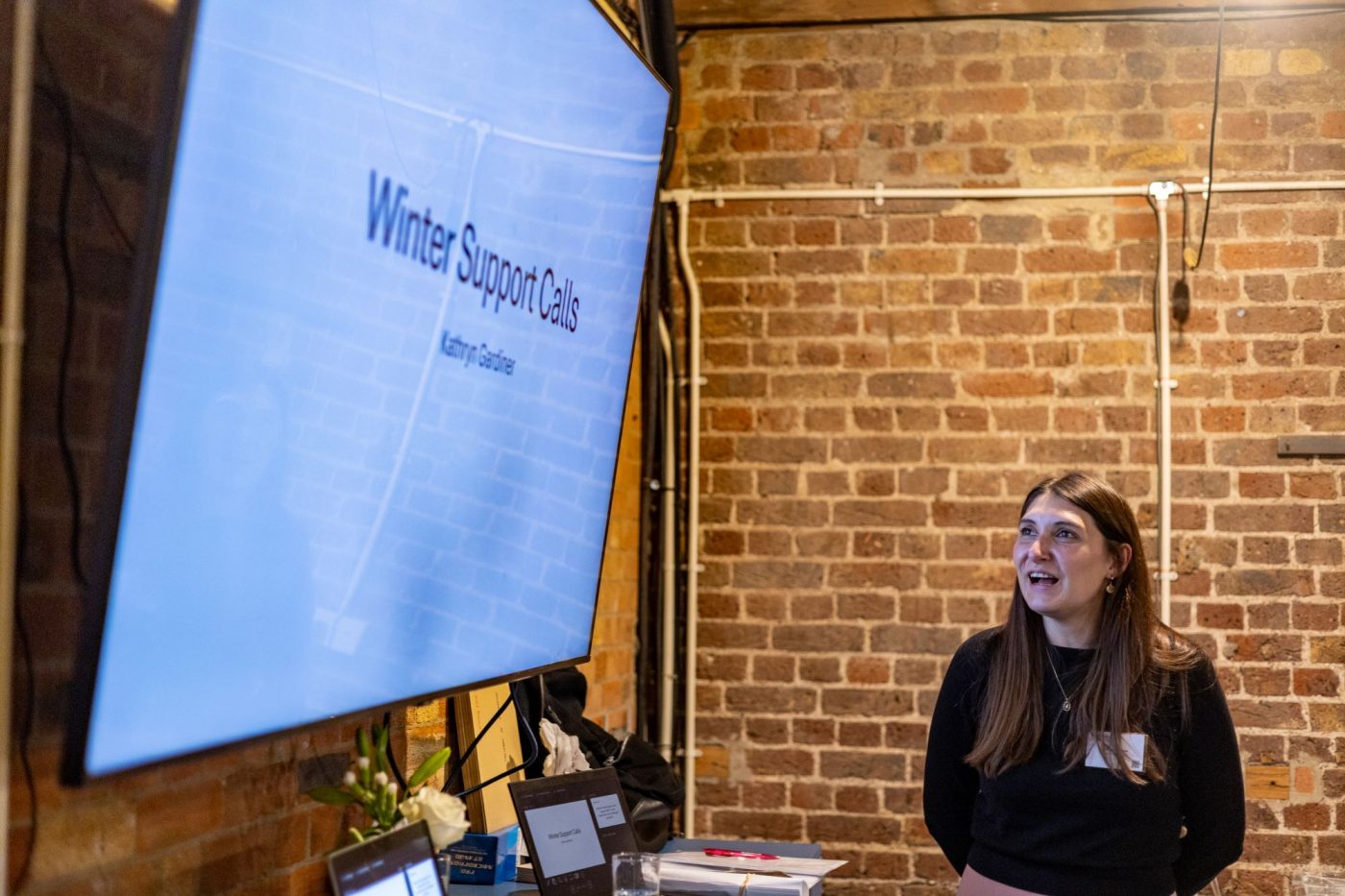
Nottingham Trent University (NTU) offers a strong example through its ‘Winter Calls’ campaign. Three weeks before the end of term, staff check in with care-experienced and estranged students to:
- remind them of available support
- identify who will remain on campus over Christmas
- encourage early engagement with support networks
This matters because Christmas can be a particularly vulnerable time. Many students experience isolation when peers return home, which can trigger low mood or anxiety.
Through Winter Calls, NTU can respond early, offering accommodation advice, linking students with academic staff, and signposting emergency funding, bursaries – including accommodation bursaries provided by NTU and accommodation-provider UPP, and mental health support. Students consistently report that simply being contacted makes them feel seen and supported.
When the model was repeated in spring, it revealed new pressures, including anxiety about graduation, lack of awareness of the Summer Hardship Fund, and accommodation concerns. This demonstrates the value of ongoing, structured check-ins at key transition points.
The importance of “small” things
The University of York (another of UPP’s partner universities) also demonstrates how comprehensive support can make a meaningful difference across the student journey.
York’s approach includes contextual offers, a dedicated Clearing phone line, free gym membership, arrival support packs, luggage assistance, and birthday cards for care-experienced and estranged students.
University of York Access and Participation Plan objective: “Ensure consistent and effective support for students with care experience and students who are estranged throughout the entire student lifecycle and demonstrate the impact of this support through evaluation of our provision.”
While some of these interventions are structural and financial, others may appear small. However, these “small” gestures, like a birthday card, can have a lasting emotional impact. They communicate belonging, recognition, and care. As I have experienced myself, these gestures are remembered long after education ends.
York also provides year-round accommodation. The university acts as a rent guarantor for students without family financial backing and offers free storage during holidays. These interventions address the practical barriers that can otherwise destabilise students’ ability to remain in education.
Why this matters
At NNECL we are unashamedly ambitious for our young people. We want care-experienced and estranged students not just to survive university, but to thrive and grow into adulthood. While accommodation, funding, and academic support are essential, so too are the relational and human elements that build belonging.
The independent evaluation of the NNECL Quality Mark (The Lines Between, 2025) found that it is more than an accreditation. It functions as a change management framework that drives sector-wide improvement, increases institutional awareness, and supports more consistent, higher-quality provision for care-experienced students, with evidence of improved engagement and progression.
This is reflected in outcomes data. The average dropout rate for care-experienced and estranged students is around 18%, compared with approximately 6% for students overall. However, targeted and proactive interventions, such as those at NTU and the University of York, are helping to close this gap. In some institutions working with NNECL, withdrawal rates have reduced to around 6%, aligning more closely with the wider student population.
A final reflection
Improving outcomes for care-experienced students is not about one intervention or one institution. It is about consistent, joined-up support that recognises both practical and emotional needs across the whole student journey.
The question is no longer whether support works, but how we scale what we already know makes a difference.
If small acts of recognition can change how a student feels about belonging, what more could universities achieve if every system was designed with care experience in mind from the start?
Did you know … In 2025, UPP Foundation launched an inquiry into the future of widening participation. The resulting series of four reports can be downloaded here.