By Mia Haroon, University of Reading student and Energy Adviser
Since 2023, UPP Foundation has funded London South Bank University’s (LSBU) Energy Advice Centre. Borrowing the established model of student-led legal advice centres, LSBU successfully established their energy advice centre to support the local community in Southwark.
In 2025, the Foundation provided further funding to LSBU to enable them to help other universities embed the model. One of their partners is the University of Reading where they have adapted the service to deliver advice to students. In this blog, Mia Haroon – a University of Reading student and the service’s Energy Adviser – answers questions about the first year of delivery.
Hello, I’m Mia Haroon. I’m a Final Year Human Geography Student at the University of Reading. I’m the Energy Adviser for Reading Students’ Union. I started the role in July 2025 and have strongly valued the experience thus far.
Going to university is the first time many people live independently. It is the perfect time to set up good habits in terms of saving energy consumption which has a positive impact on the environment and household budgets. It is often said that there are many more benefits to moving away to attend university than meet the eye. It’s not all about the academic course a student pursues but also about learning how to make informed choices in how you live. How you consume energy is a great example.
What is the background to the service?
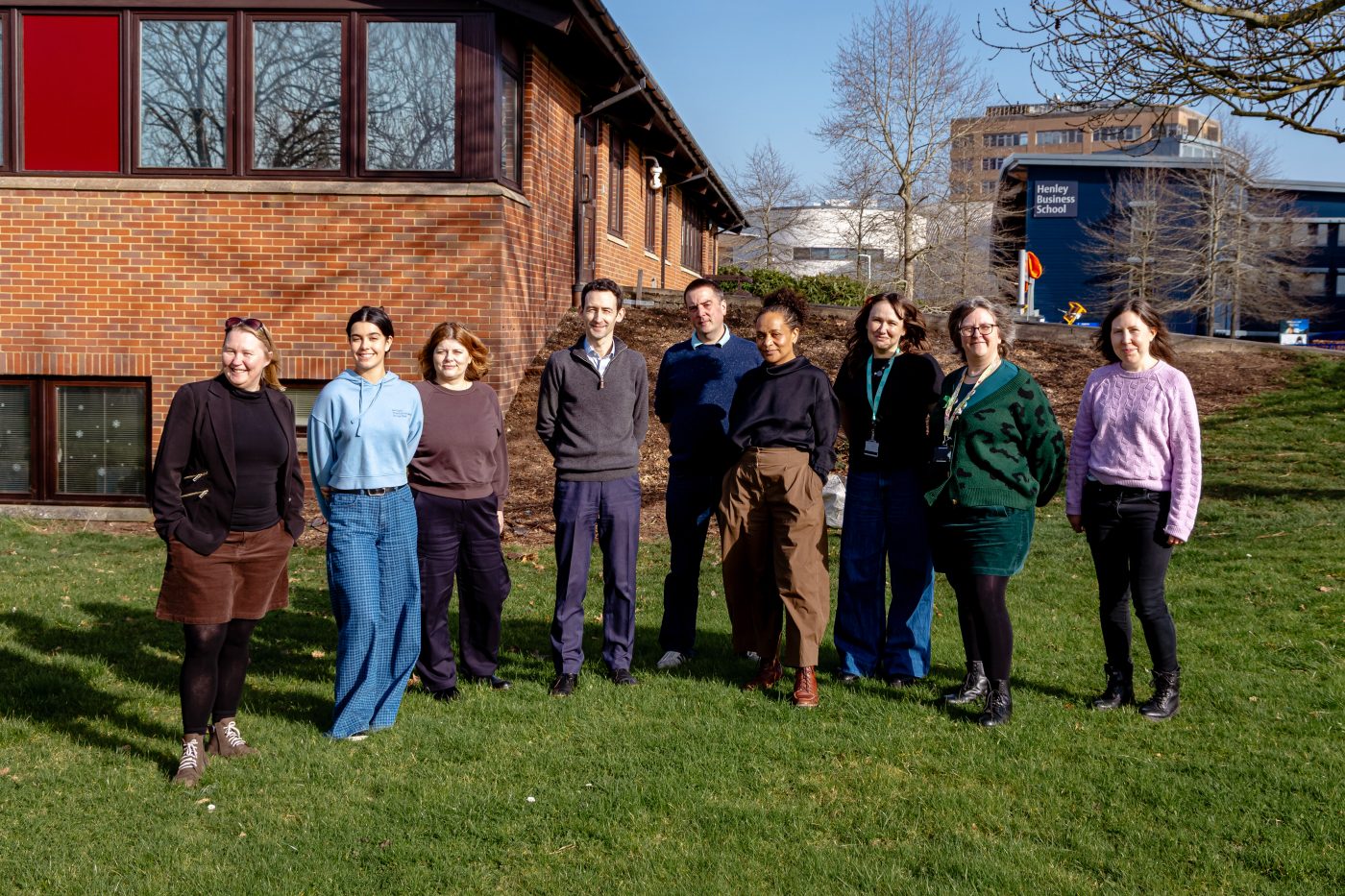
The Energy Advice provision was set up at the University of Reading as part of a £70,000 programme, delivered by London South Bank University (LSBU) and funded by UPP Foundation, aimed at setting up new Energy Advice Centres at Wrexham University, Kingston University London and the University of Reading. This programme followed in the footsteps of LSBU who set up their own Energy Advice Service, directed towards the general public, in January 2023. The Energy Advice Service at Reading is the product of a collaboration between the University’s Sustainability Team and Reading Students’ Union Advice Service.
What is the purpose of the Reading Energy Advice Service?
The purpose of the service is to help students living in private accommodation to save money and encourage energy efficiency and thus, make them informed on how to be more energy efficient. This is done by recommending zero and low cost measures, based on the student and the property they live in.
What has this involved?
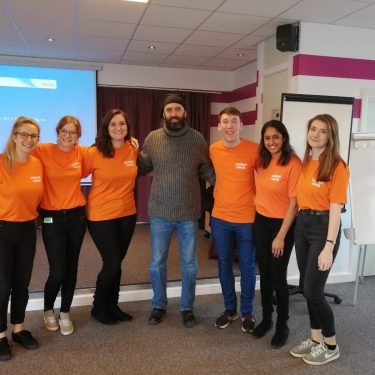
I have taken part in various activities to help students save energy (and money). These activities include: developing Energy Advice flyers to share as part of campaigns, attending university fairs (such as the Community and Life Fair during Welcome Week) to promote energy-saving behaviours and establish a rapport with students, drafting an Energy Advice Booklet, answering Energy Advice enquiries and doing lecture drop-ins, wherein I speak in lectures about the Energy Advice Service and encourage students to ask me any enquiries they have.
What works when delivering Energy Advice to students?
This is the first time the Energy Advice Service has been delivered at Reading, which means there’s going to be a learning curve. In terms of what does work for the service, promotional activities and outreach seem to be the most effective way to promote the service. Outreach activities such as stands at student fairs, lecture drop-ins and promotional flyers have been effective in promoting the service. I’ve reached approximately 280 students through three lecture drop-ins so far and attended three university fairs.
What doesn’t work when delivering Energy Advice to students?
The original plan for the service was to answer Energy Advice enquiries, via email or in-person drop-ins, however this hasn’t been as fruitful as previously anticipated. That isn’t to say we won’t receive Energy Advice enquiries, I just believe that we need to build the service up first before students feel informed enough to discuss their issues around saving energy in their private-rented accommodation.
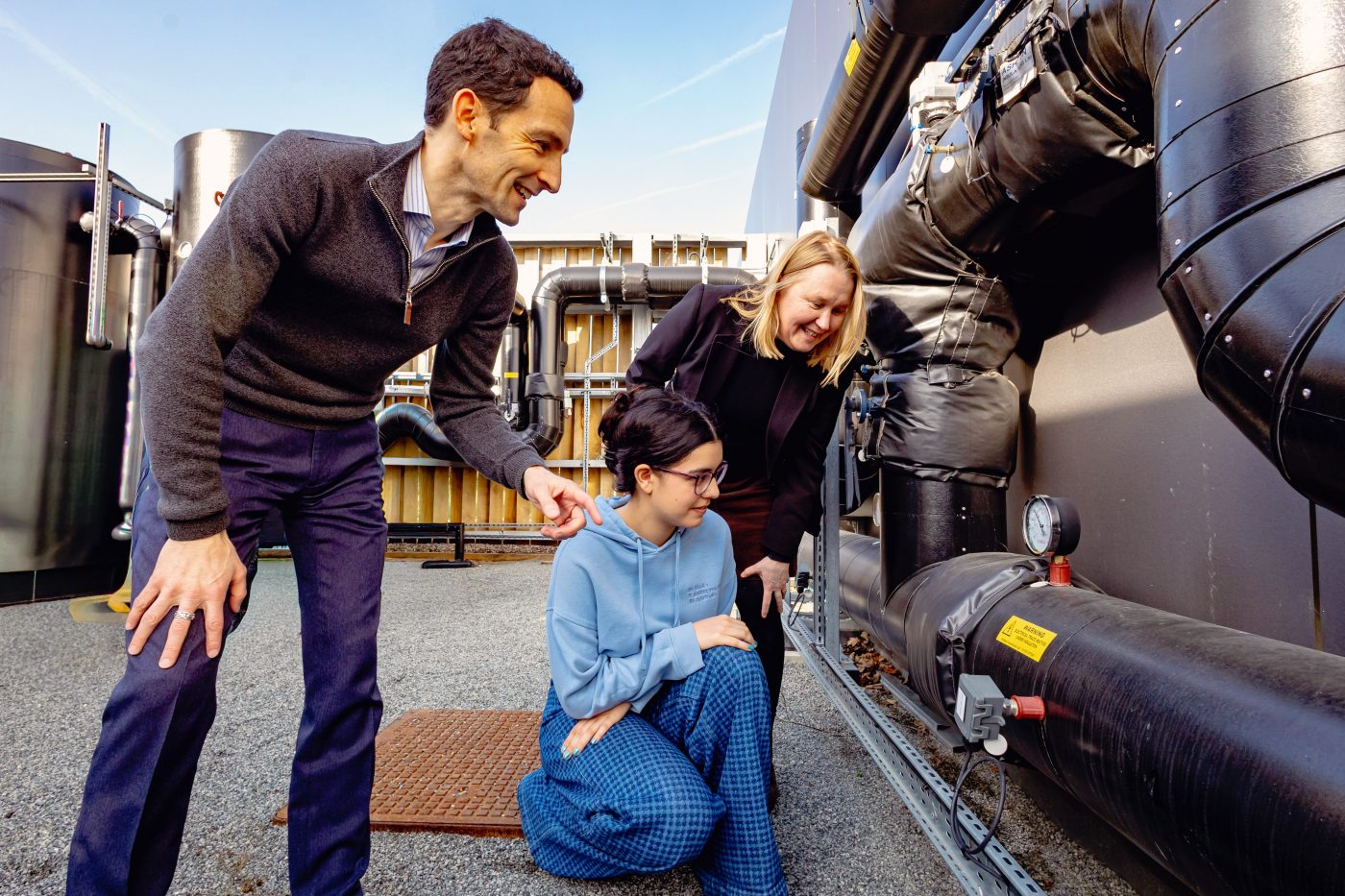
What have you taken away from the experience? Anything surprising?
I’ve learnt a lot about energy saving measures, which I’ve begun to implement in my own life. There are lots of no and low-cost measures that students can implement in their daily lives to reduce their energy consumption, such as taking a four-minute shower can save you £10 per year. On the whole, I’ve learned how valuable this work is, as there’s a knowledge gap students are experiencing wherein they want to save money and don’t know how or want to understand their energy bills more but there’s no resources readily available to them. I believe the Energy Advice Service bridges the gap, providing accessible, easy-to-understand energy advice to students, mainly through zero and low cost measures.
Additionally, I’ve learnt how collaboration between organisations can facilitate essential knowledge sharing as well as build a rapport between organisations to offer mutual support. One thing that surprised me is how much I could’ve used this advice whilst at university (I was living in a student house last year) and realising that’s why this work is so important.
What’s next for the service?
We hope to expand the service to include halls of residence within the remit of Energy Advice, as well as hire a new Energy Adviser for the next academic year, given that I’m graduating this summer. Hopefully, the service will receive more Energy Advice enquiries as awareness of the service grows with more promotional activities. We hope to keep centering collaboration within the service; by facilitating more collaboration between organisations, fostering mutually-beneficial relationships with other Energy Advice organisations.
What’s next for you?
The big question. I graduate this summer and hope to enter the world of work afterwards. I have worked to develop a network (mainly through LinkedIn) of people and organisations who could offer me a working arrangement upon graduation. In terms of my career, I hope to keep supporting the environment whilst simultaneously helping people, although I’m unsure how will this manifest in a practical sense. I would love to continue providing Energy Advice to other demographics, whatever shape that may take.
Did you know? … UPP Foundation is also supporting two other initiatives associated with the University of Reading. The university’s Outdoor Learning Garden will open this summer, creating a space that will enable university students, school children and community groups to deepen their understanding of climate change and environmental sustainability. In July, Henley Business School will run it’s 14th Pathways to Property summer school, supporting young people from under-represented backgrounds to learn about and access the real estate industry. Look out for blogs on both initiatives later in the year.