Since 2023, the UPP Foundation has supported the development of student-led university energy advice centres, first at London South Bank University (LSBU) and then at Kingston University, Reading University and Wrexham University.
In the third of a series of blogs, Ben Lishman shares news from LSBU’s first Energy Advice Centre Conference.
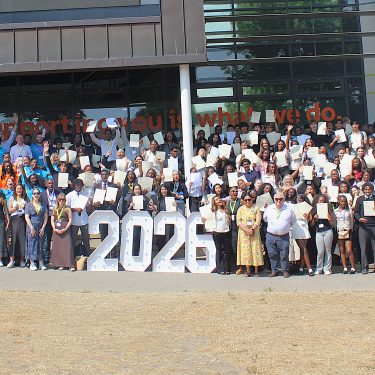
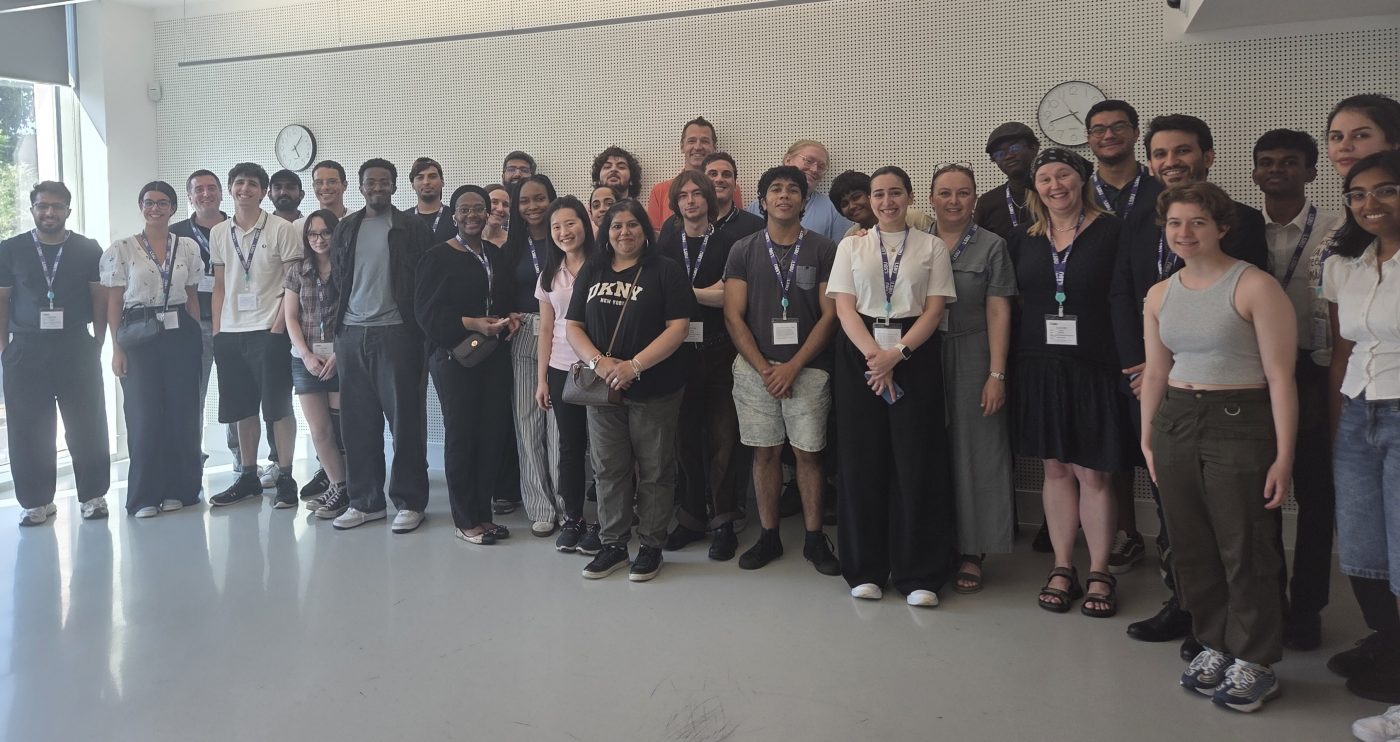
The 25th of June 2026 was the hottest June day on record in the United Kingdom. The warming climate was the context for the first Student Energy Advice Conference, held at LSBU. Students and staff from universities across the country came together to discuss how universities can lead a civic movement to help us understand how to reduce the energy we use in the built environment, and in particular in our homes. The conference covered practical advice and hands-on experiments, as well as opportunities to think creatively about how we, as a group, can make an impact and support our communities.
Some consistent themes came up during the conversations, and it’s useful to reflect on those.
The nuts and bolts of energy advice
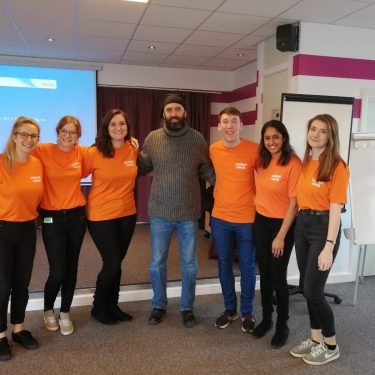
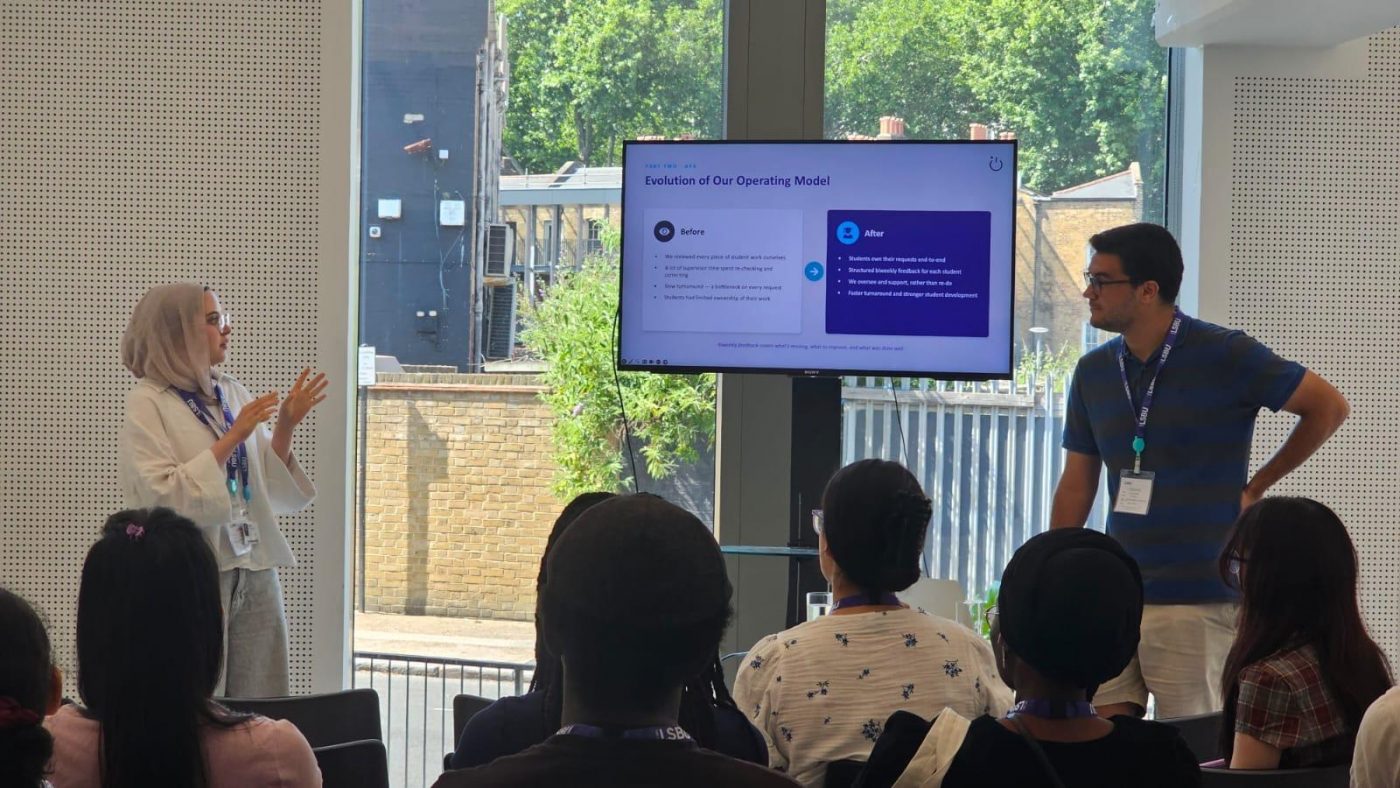
The first aim of the conference was to share the work we’ve done across the group that’s been successful, and to explain how we did it. Colleagues from LSBU spoke about how we structure our advice, and how we verify it. Mia Haroon, from Reading, discussed how she’s managed to reach students from across the university, and what she’s been able to support them with. We wanted to make sure that every student who attended knows how to take our Energy Advice Toolkit and use it to start an Energy Advice Centre at their own institution.
The importance of trust
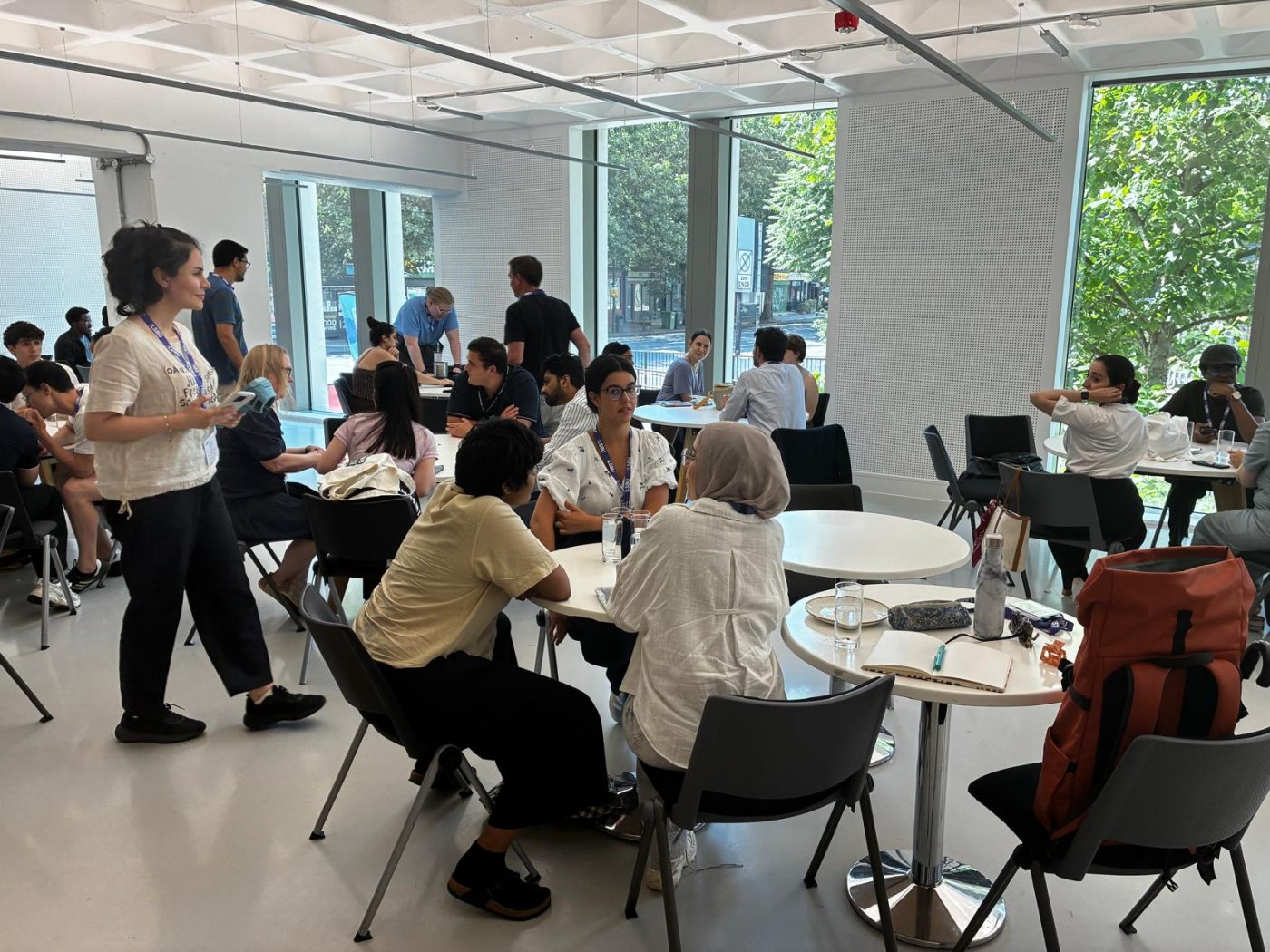
In our discussions, we often circled back to a central question. How can we build trust? How do we work to meet people halfway, to have open discussions, and to make sure that what we’re offering is what our communities actually need? One answer was that we need to ensure technical excellence, but we also need advice and input from across the disciplines. Students in areas like urban planning and law can bring information about how individual homes are situated within a town or city, and how we can advocate effectively for people who ask for our help. Students in psychology and health subjects can tell us about the impacts of climate change, and direct our focus to the most effective support we can provide. Students in business, design, and creative arts can create systems and outputs which make our advice accessible and shareable. By making our advice centres inclusive of the whole university, we can access the trust that universities have within their own communities.
Vision, technology, people
Professor Aaron Gillich, from LSBU, gave a keynote talk at the end in which he compared our current situation – transitioning to renewable heating and cooling across the country – to two energy revolutions from the twentieth century: first, when our homes were connected to the electricity grid, and second, when domestic gas was introduced. Both of these revolutions started from a positive vision – light, warm, comfortable homes. Each revolution involved new technology. And in each case there was a national effort to support individual people to understand the transition they were living through, and to build knowledge of it and enthusiasm for it. This national effort was effective through sustained education and information, through building showrooms and demonstrators, and through showing people the way their homes and their lives could be improved. This, said Aaron, is what Energy Advice Centres should be doing across the country right now.
We’d like to thank every student who attended and contributed to the conference. The enthusiasm we saw on the day was exciting, and there was a sense of growing momentum. We’re committed to supporting universities across the country to establish energy advice centres according to whatever model will work in their context: if we can help, please don’t hesitate to get in touch. And we’re already looking forward to next year’s conference. See you there!
If you’d like to ask us something, then we’d love to help. Please get in touch!