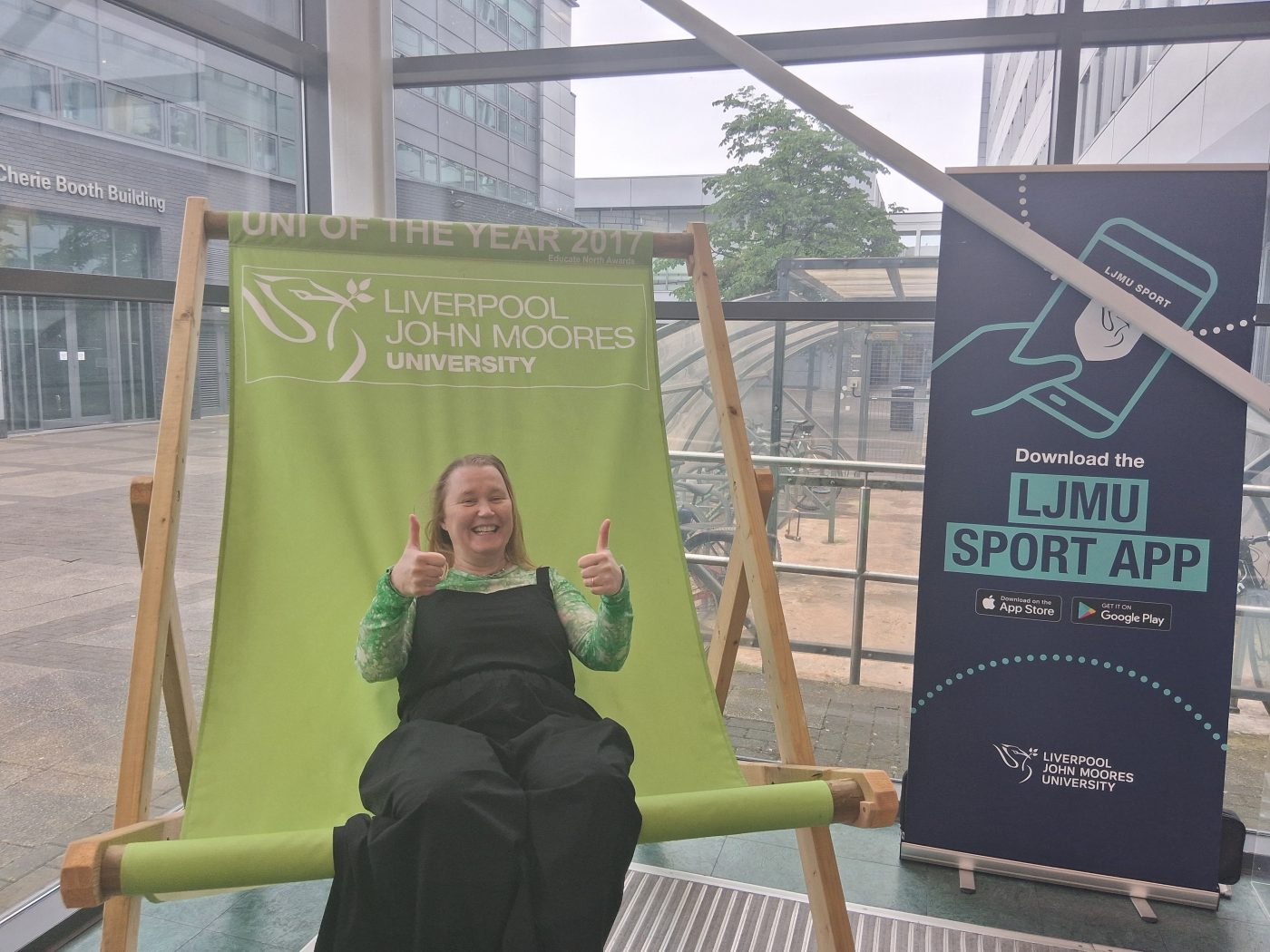
Improving equitable access to higher education cannot be achieved by universities alone. From schools and colleges to employers, policymakers, regional authorities and third-sector organisations, collaboration is increasingly recognised as one of the most important factors in improving student access, success and progression. These themes were at the heart of the NEON Summer Symposium 2026, hosted by Liverpool John Moores University and themed All Together Now: Collaboration in a New Era of Widening Access and Student Success.
The symposium brought together higher education leaders, practitioners, researchers and policymakers to explore how partnerships can help improve outcomes for students from under-represented backgrounds. The UPP Foundation was pleased to contribute to the conversation, with Director of Sector Engagement Lucy Haire joining fellow sector leaders as a panellist.
Which partnerships matter most?
A key discussion at the symposium explored a question that is becoming increasingly important across the higher education sector: Which key partners need to collaborate in order to continue improving equitable access and success in higher education?
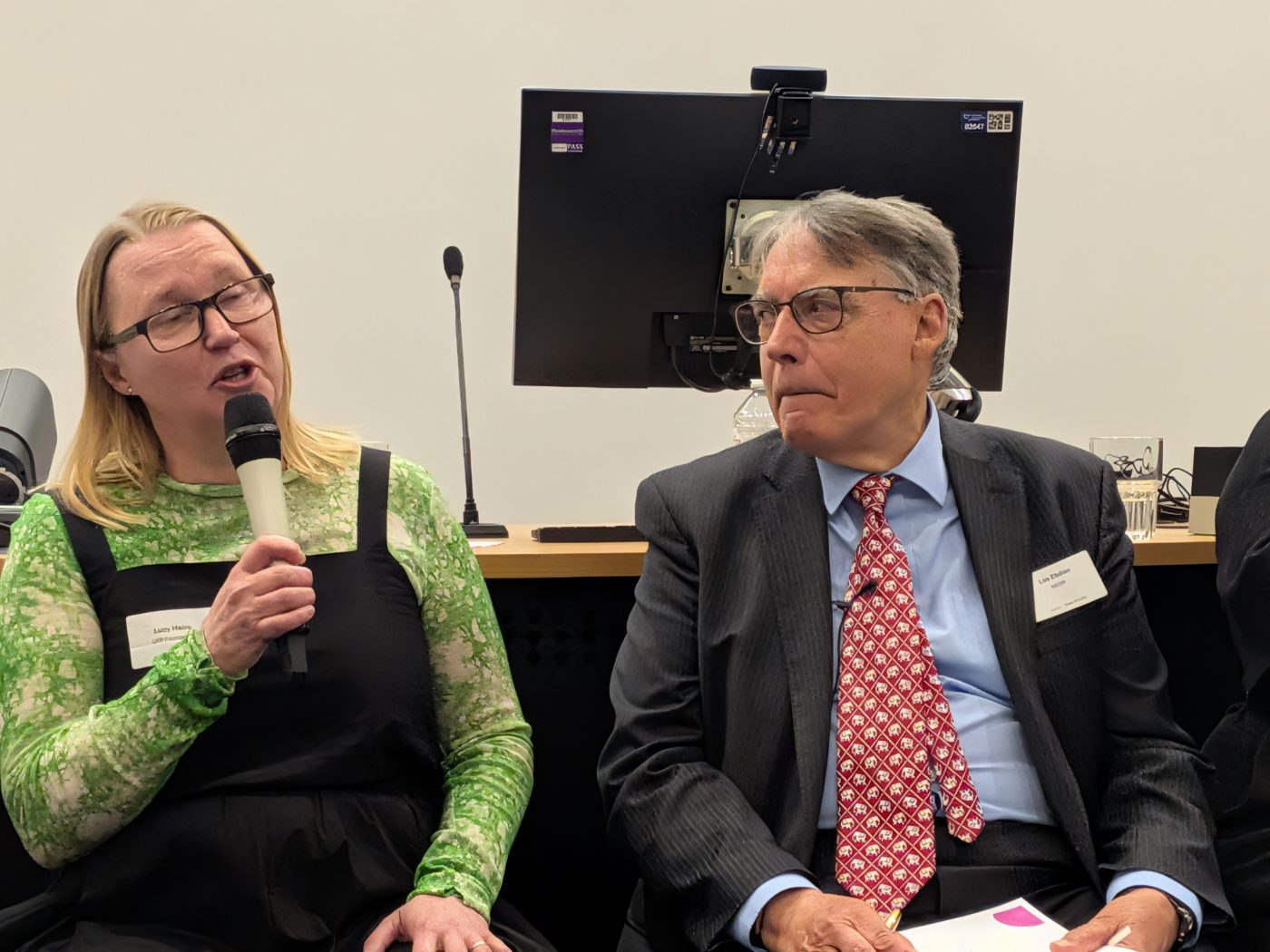
Chaired by Professor Les Ebdon, the panel brought together representatives from higher education, regional government, skills organisations and the UPP Foundation to discuss how collaboration can help address barriers to opportunity and improve outcomes for learners. Joining Lucy Haire on the panel were Fliss Miller, Director of Skills at the South Yorkshire Mayoral Combined Authority; James Owen, Chief Executive and Executive Director of Medr; and Gianina Harvey-Brewin, Dean of Continuing Education at the University of Roehampton and Executive Director of Roehampton Education Services Ltd.
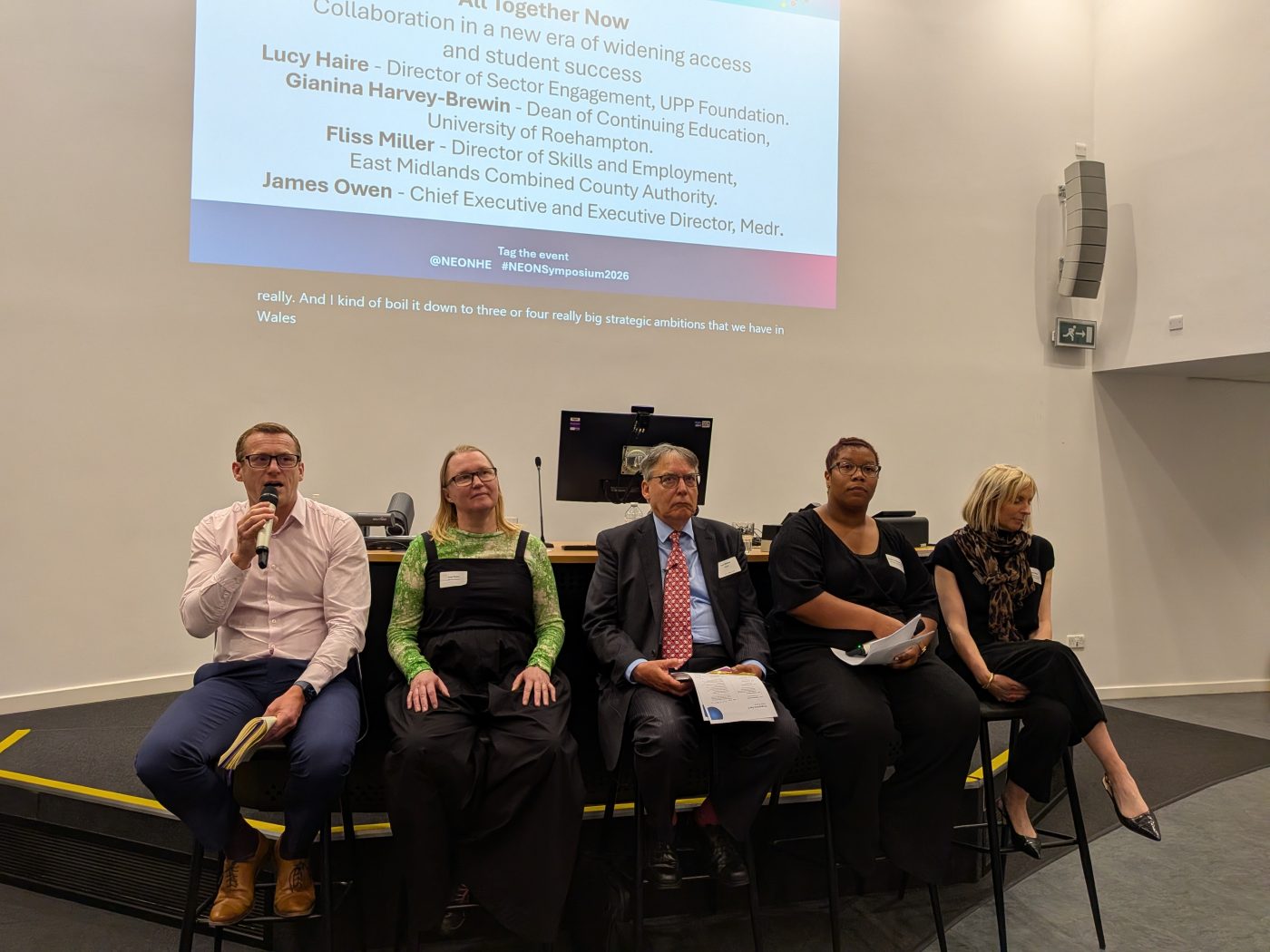
The discussion highlighted the increasingly interconnected nature of widening participation. Improving access and student success requires collaboration between universities, schools, colleges, employers, local and regional authorities, policymakers and community organisations. No single institution can address the challenges facing students in isolation.
A recurring theme was the importance of building partnerships that support learners throughout their educational journey – from raising aspirations and improving access to supporting attainment, progression and future employment opportunities.
A changing landscape for widening participation
The symposium took place against a backdrop of significant change across the higher education sector.
The academic year 2026/27 will see institutions preparing for reforms outlined in the Post-16 Education and Skills White Paper, alongside anticipated changes to the future structure of the Uni Connect programme in England. Across the UK, governments, universities and colleges are continuing to explore new approaches to widening participation and student success.
Throughout the event, speakers emphasised that improving access to higher education can no longer be viewed in isolation. Instead, there is growing recognition that supporting student success requires a holistic approach that considers the entire learner journey – from aspiration and access through to attainment, belonging and progression into employment.
Belonging matters
One of the strongest themes to emerge from the symposium was the importance of belonging.
Across breakout sessions and discussions, speakers highlighted the need to ensure students feel welcomed, valued and supported throughout their university experience. Conversations explored the challenges faced by a diverse range of learners, including mature students, neurodiverse students, those with caring responsibilities and students balancing study alongside employment.
Delegates also discussed the importance of encouraging students to engage fully with university life, from academic support and specialist facilities to cultural and extracurricular opportunities that help build confidence, community and connection.
The message was clear: widening participation is not only about opening doors to higher education. It is also about ensuring students have the support and sense of belonging needed to succeed once they arrive.
Supporting the people who support students
One particularly thought-provoking session, led by Jess Woodford and Hannah Goodrick from Lancaster University, focused on the experiences of widening participation professionals themselves.
The discussion examined the emotional demands often associated with supporting students facing complex challenges and highlighted how emotional fatigue can affect staff working in widening access and student support roles.
The speakers shared examples of initiatives designed to support staff wellbeing, including coaching and mentoring programmes that sit outside formal performance management processes. The session served as an important reminder that creating positive outcomes for students also requires investment in the people supporting them.
Innovation, evidence and psychological safety
The symposium also explored how institutions can create environments that encourage innovation and continuous improvement.
Rachel Wier, Head of Outreach and Head of Make Happen (Uni Connect), shared findings from her research into workplace uncertainty and employee creativity. Her work suggested that psychological safety – the confidence to share ideas, challenge assumptions and contribute openly – is one of the most important factors in enabling innovation.
The discussion highlighted the importance of transparent leadership, open communication and supportive organisational cultures, particularly during periods of change.
Alongside this, delegates heard numerous examples of how evidence and data are being used to identify awarding gaps, evaluate interventions and better understand which approaches have the greatest impact on student outcomes.
A powerful reminder of why this work matters
The symposium opened with a welcome from Liverpool John Moores University student Joy Chukwuma, who had just learned she had achieved first-class grades in her second-year examinations.
Speaking enthusiastically about her ambition to pursue a PhD, Joy provided a powerful reminder of the transformative impact that higher education can have when students are given the opportunity and support to succeed.
Her story reflected the central theme running throughout the symposium: widening participation is ultimately about creating opportunities and helping individuals realise their potential.

Creating opportunity through partnership
The breadth of discussion throughout the symposium reflected both the opportunities and challenges facing higher education as it enters a new era of widening access and student success.
While policy frameworks and delivery models may continue to evolve, one message remained consistent throughout the event: improving outcomes for students requires collaboration, evidence-led decision-making and a shared commitment to creating environments where all learners can thrive.
The UPP Foundation would like to thank NEON and Liverpool John Moores University for hosting the symposium and bringing together such a diverse range of voices from across the sector. The event demonstrated the sector’s collective commitment to ensuring that more learners can access higher education, succeed during their studies and realise their full potential.